Rocky Tolbert
Sep 02 2026 13:00
A heating tune-up is not just a cold-weather task. Scheduling maintenance before temperatures drop gives your system time to be inspected, cleaned, and prepared before you rely on it every day. By...
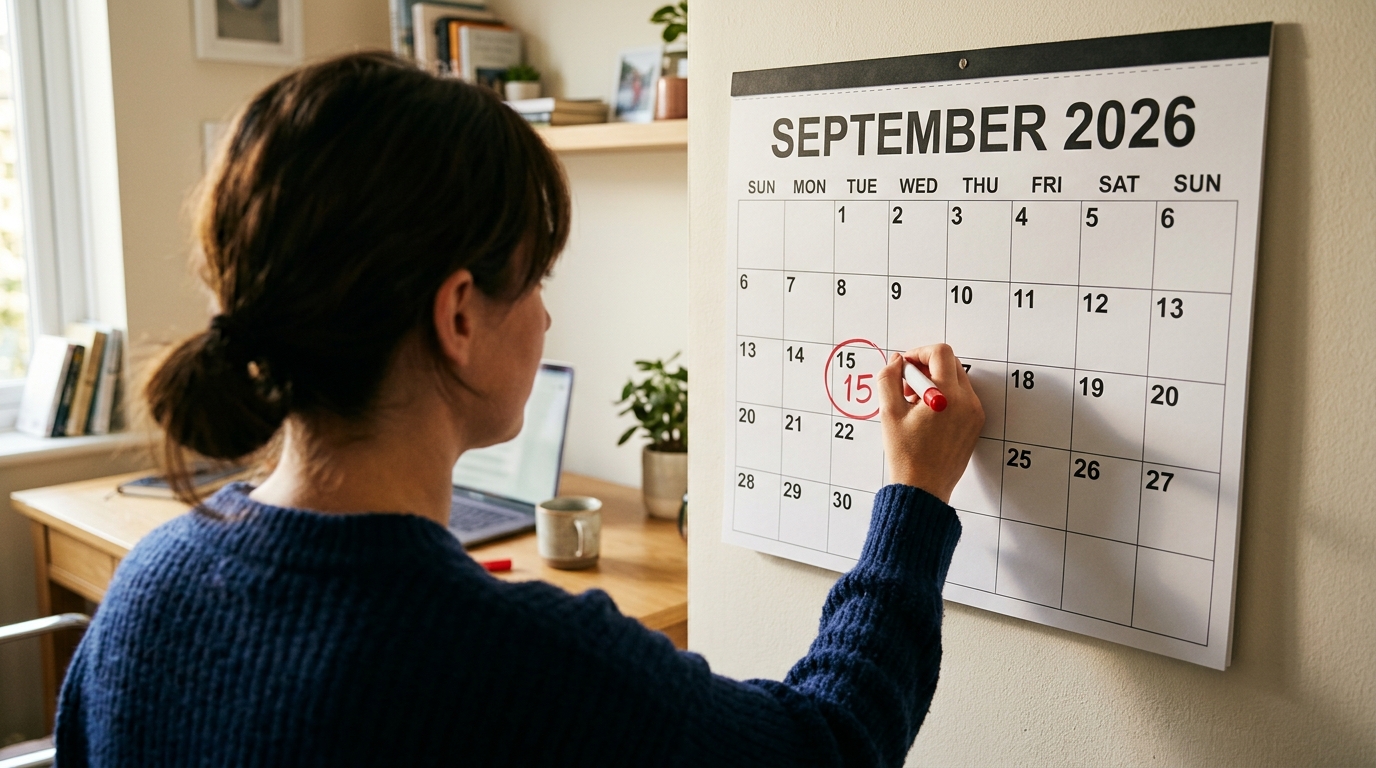
A heating tune-up is not just a cold-weather task. Scheduling maintenance before temperatures drop gives your system time to be inspected, cleaned, and prepared before you rely on it every day. By planning ahead, you can reduce the chance of an unexpected breakdown, improve efficiency, and head into winter with greater confidence.
For homeowners, it is easy to put off furnace or heat pump maintenance until the first chilly morning arrives. But that is often when HVAC schedules become busiest—and when small issues are more likely to become urgent problems. Sun-Glo Heating & Air Cond Inc recommends taking care of your heating system before the season is in full swing.
Your Heating System Has Been Sitting Idle
During spring and summer, your heating equipment may go months without running. Dust can settle on components, filters can become clogged, and small wear-and-tear issues can go unnoticed. Even if your air conditioner has been working well, that does not necessarily mean your furnace, heat pump, or other heating equipment is ready for colder weather.
A professional tune-up gives a technician the opportunity to inspect the system before it becomes essential to your household’s comfort. They can check electrical connections, moving parts, safety controls, airflow, filters, and thermostat operation. Catching concerns early is often simpler and less stressful than discovering them during the first cold snap.
Early Maintenance Helps Prevent Midwinter Breakdowns
No one wants to wake up to a cold home on a winter morning. Unfortunately, many heating problems only become obvious once a system is asked to run regularly. If a part is worn, a connection is loose, or airflow is restricted, the additional demand of colder weather can push the system into failure.
Scheduling a heating tune-up in late summer or early fall allows time to address those issues before your system is working at full capacity. If a repair or replacement part is needed, you are less likely to feel rushed into a decision. You also avoid competing with the many homeowners who wait until their heat stops working to call for service.
Better Efficiency Can Lower Seasonal Energy Use
A well-maintained heating system does not have to work as hard to keep your home comfortable. Dirt buildup, poor airflow, and neglected components can all make a furnace or heat pump less efficient. When equipment has to run longer to reach the temperature on your thermostat, energy use can increase.
During a tune-up, Sun-Glo Heating & Air Cond Inc can help identify maintenance items that may be affecting performance. Simple steps, such as replacing a dirty filter or correcting airflow concerns, can make a meaningful difference. A system that is operating efficiently may provide more even temperatures throughout the home while helping reduce unnecessary strain on the equipment.
You Have More Flexible Scheduling Options
Once colder weather arrives, heating service appointments tend to fill quickly. Emergency calls, no-heat repairs, and last-minute maintenance requests can make it more difficult to schedule at the time that works best for you. Planning your tune-up early gives you more flexibility and helps you avoid the seasonal rush.
This is especially helpful for busy households. Rather than trying to fit an appointment into an already packed holiday or winter schedule, you can choose a convenient time before the weather changes. Early maintenance also gives you time to ask questions about your system’s condition, expected lifespan, and any upgrades that may be worth considering in the future.
Safety Checks Matter Before Heating Season Begins
Heating equipment involves important safety considerations, particularly for systems that use natural gas, oil, or combustion. A professional maintenance visit can include checking key safety-related components and confirming that the system is operating as it should. This helps provide peace of mind before your family depends on the system every day.
Homeowners should also make sure carbon monoxide detectors are installed, functioning properly, and equipped with fresh batteries as needed. A heating tune-up is a smart reminder to review these important household safety measures. If you notice unusual odors, soot, inconsistent heating, frequent cycling, or unfamiliar sounds, do not wait for colder weather to have the system checked.
Heat Pumps Need Attention, Too
If your home uses a heat pump, early maintenance is just as important. Heat pumps provide both heating and cooling, which means they work throughout much of the year. After a busy cooling season, a tune-up can help ensure the system is ready to switch smoothly into heating mode.
A technician can inspect the outdoor unit, indoor components, refrigerant-related performance, electrical connections, and thermostat settings. Because heat pumps are designed to transfer heat rather than create it through combustion, proper operation is especially important for comfort and efficiency when outdoor temperatures begin to fall.
A Tune-Up Can Extend the Life of Your Equipment
Like a car, your heating system benefits from routine care. Neglecting maintenance does not guarantee a breakdown, but it can allow minor issues to grow over time. Parts may experience more strain, airflow problems can affect performance, and the system may have to work harder than necessary.
Regular maintenance supports long-term reliability by giving technicians a chance to spot developing concerns. It also creates a clearer picture of your system’s overall condition. If your equipment is nearing the end of its expected service life, an early tune-up can help you plan ahead rather than facing a surprise replacement decision during the coldest part of the year.
What Homeowners Can Do Between Tune-Ups
Professional maintenance is important, but there are a few simple steps homeowners can take between visits:
- Replace or clean HVAC filters regularly, based on the manufacturer’s recommendations.
- Keep supply and return vents clear of furniture, rugs, and clutter.
- Check that your thermostat is programmed for your household’s schedule.
- Keep the area around indoor and outdoor HVAC equipment free of debris.
- Pay attention to changes in comfort, noise levels, or energy bills.
These habits can help your heating system operate more smoothly and make it easier to notice when something has changed.
FAQ
When is the best time to schedule a heating tune-up?
Late summer and early fall are excellent times because you can prepare before cold weather arrives and avoid the busiest part of the heating service season.
Can I wait until my heater starts making noise?
It is better not to wait. Unusual noises, odors, uneven heating, or frequent cycling can signal that your system needs attention. Preventive maintenance is typically less disruptive than an unexpected repair.
How often should a heating system be serviced?
Most heating systems benefit from professional maintenance once each year. Consistent annual service helps support efficiency, reliability, and safe operation.
Does a heating tune-up include changing my air filter?
A technician can inspect your filter and recommend replacement if needed. Homeowners should also check filters regularly between appointments, especially in homes with pets, allergies, or higher dust levels.
Why choose Sun-Glo Heating & Air Cond Inc for heating maintenance?
Sun-Glo Heating & Air Cond Inc provides professional heating maintenance focused on helping homeowners prepare for the season ahead. A proactive tune-up can help you protect comfort, reduce surprises, and feel ready before the first cold day arrives.